A full day can disappear quickly when the best Sreemangal tourist spots sit in different directions and every wrong turn costs time.
The top Sreemangal tourist spots are Lawachara National Park, Madhabpur Lake, Nurjahan Tea Garden, Lal Tila, Baikka Beel, Nilkantha Tea Cabin, Hum Hum Waterfall, Manipuri Para, Rubber Garden, BTRI, Sitesh Babur Zoo, and Bodhdhobhumi 71.
That is why planning matters before you arrive. Sreemangal is more than tea gardens. It has rainforest trails, lakes, wetlands, tribal villages, viewpoints, and hidden local stops, but many travellers miss the best parts because they rush the route or choose the wrong transport.
At ExploreBD, we help travellers cover the main sights more easily with our Sreemangal Chander Gari Package, which is useful for families, couples, and groups who want local drivers, clear pricing, and a smoother sightseeing plan.
In this blog, we’ll show you the 10 must-visit places, the best time to go, useful travel tips, and how to plan your route well.
What Are the Top Sreemangal Tourist Spots?
The top Sreemangal tourist spots are Lawachara National Park, Madhabpur Lake, Nurjahan Tea Garden, Lal Tila, Baikka Beel, Nilkantha Tea Cabin, Hum Hum Waterfall, Manipuri Para, Rubber Garden, Bangladesh Tea Research Institute, Sitesh Babur Zoo, and Bodhdhobhumi 71. Together, these places show the best sides of Sreemangal, from rainforest and wetlands to tea gardens, local culture, viewpoints, and history.
A visitor who wants to understand what to see in Sreemangal should not stop at tea gardens alone. Lawachara National Park gives the trip its wild side, with a 1,250-hectare forest area and the chance to hear endangered hoolock gibbons. Madhabpur Lake adds quiet scenery inside a tea estate. Nurjahan Tea Garden and Lal Tila give travellers the classic green-and-red views people often imagine before they arrive. The official Beautiful Bangladesh portal lists Lawachara as a major national park and identifies Baikka Beel as a bird and fish sanctuary within Hail Haor.
Some of the best places in Sreemangal feel completely different from one another, and that is what makes the destination worth more than a quick photo stop. Nilkantha Tea Cabin is about taste and local identity. Manipuri Para adds the handloom culture. BTRI explains the science behind the tea industry. Bodhdhobhumi 71 brings a quieter, more reflective moment to the trip.
Worth knowing: Baikka Beel still belongs on any serious list of Sreemangal attractions because of its birdlife, but travellers should check current access before planning a visit. The Daily Star reported in February 2026 that the wetland had been officially closed to public access a year earlier, even though older travel pages still describe it as a visitor spot. That kind of detail matters. A good trip plan should match the place as it is now, not the place it was five years ago.
How Many Days Do You Need to Visit Sreemangal Tourist Spots Properly?
Most travellers ask this after they have already listed too many places for too little time. We get it. On paper, many Sreemangal places to visit look close together. In real life, tea-garden roads, forest stops, waiting time, meal breaks, and photo pauses stretch the day more than people expect.
For a first trip, we usually see three realistic options. One day gives you a quick look at the main highlights. Two days gives you enough room to enjoy the famous spots without racing from one gate to the next. Three days suits travellers who want a slower route, a waterfall trek, village time, and proper Sreemangal tea garden visits instead of rushed roadside stops.
The biggest reason timing matters is Hum Hum Waterfall. The official Beautiful Bangladesh page says visitors need to leave Sreemangal or Kamalganj early, reach Kalabanpara by around 7:30 to 8:00 AM, and then spend about 5 hours travelling from Kalabanpara to the waterfall. That makes Hum Hum a full-day commitment, not a small add-on between lunch and sunset.
And here is the thing. Sreemangal sightseeing feels best when the day has some empty space in it. You want time to hear birds in Lawachara, sit beside Madhabpur Lake, wait for seven-layer tea, and stop the car when a view suddenly opens across the tea fields. If every hour comes packed too tightly, you may visit more places but remember less of them.
Is 1 Day Enough for Sreemangal?
Yes, 1 day is enough for a short Sreemangal trip, but only if you accept that you are seeing the highlights, not the whole destination. A sensible one-day route can cover Lawachara National Park, Madhabpur Lake, one tea garden, Nilkantha Tea Cabin, Lal Tila, Manipuri Para, and Bodhdhobhumi 71 if you start early and keep the stops tight. ExploreBD’s current Sreemangal route groups many of these places together, which shows why they fit well into a single sightseeing day.
The problem? One-day travellers often try to add everything. That is where the plan starts falling apart.
You cannot give Lawachara National Park a proper morning, enjoy slow Sreemangal tea garden visits, drink seven-layer tea without rushing, and still fit in Hum Hum Waterfall on the same day. The waterfall alone needs an early start and several hours of travel and trekking, according to the official Bangladesh tourism listing. If you try to force it in, the day stops feeling like travel and starts feeling like a deadline.
A one-day trip works best for:
- First-time visitors who want a quick introduction to the main Sreemangal tourist spots.
- Families with children who prefer easier stops over long treks.
- Travellers passing through Sreemangal as part of a bigger Sylhet trip.
You will miss the slower side of the area. No long tea-garden walk. No deep cultural stop. Probably no birdwatching session if Baikka Beel access remains restricted. Still, one good day can leave a strong impression if the route stays realistic.
Why 2 Days Is Better for Most Travellers
Two days is the sweet spot for most visitors. It gives enough time to enjoy the main Sreemangal attractions while still leaving space for the small moments that make the trip memorable.
Day one can focus on the classic route, Lawachara, Madhabpur Lake, Nurjahan Tea Garden, Nilkantha Tea Cabin, Lal Tila, Manipuri Para, Rubber Garden, and Bodhdhobhumi 71. That route follows the kind of sightseeing pattern already reflected in ExploreBD’s Sreemangal package page, where several of these places appear together in the standard local circuit.
Day two gives you a choice. Adventure travellers can dedicate the full day to Hum Hum Waterfall. Others can keep things gentler with more relaxed Sreemangal sightseeing, extra tea-garden time, local food, and whichever nearby spot currently allows visitor access.
Two days also improve the quality of the visit, not just the quantity. You can reach Lawachara in the morning when the forest feels alive. You can stop at Nilkantha when the tea cabin is open but not rushed. You can photograph tea gardens in softer light instead of under the harsh middle-day sun. Small difference. Big result.
Think about it. Nobody remembers how many places they ticked off at 3:17 PM. They remember the smell of wet leaves, the sound of a train cutting through the forest, the first sip of seven-layer tea, and the silence after sunset on a red-soil hill.
When 3 Days Makes More Sense
Choose 3 days in Sreemangal when you do not want the trip to feel like a race. This works especially well for photographers, couples, repeat visitors, nature lovers, and anyone who wants time beyond the standard best places in Sreemangal list.
A third day gives you room for Hum Hum Waterfall without sacrificing the rest of the trip. The official tourism page says the journey from Kalabanpara to the falls takes about 5 hours, so treating it as a full-day plan makes far more sense than trying to squeeze it beside easier attractions.
Three days also help if you care about local culture. You can spend more time in Manipuri Para, talk with weavers, and look around without barging through someone’s village like you are late for a bus. You can revisit a tea garden at a different hour and notice how much the mood changes. Morning mist and late-afternoon light do not tell the same story.
This option suits travellers who want:
- One day for the classic Sreemangal tourist spots
- One day for Hum Hum Waterfall
- One slower day for tea gardens, local food, village visits, and flexible stops
But there is no magic in staying longer just to say you did. Three days make sense when you want depth. If your only goal is to take a few photos and return home, one or two days already cover enough.
The Best Way to Explore Sreemangal Tourist Spots
A pretty route can still waste half your day if the transport does not match the place. That happens often in Sreemangal because the main attractions sit across tea gardens, forest roads, village lanes, and hill routes rather than one compact town centre.
For visitors who want to cover several Sreemangal tourist spots in one day, we usually recommend planning the vehicle before planning the photos. Lawachara National Park sits about 8 km from Sreemangal town, Madhabpur Lake sits about 16 km away, and some farther spots need a separate custom route altogether. The distances are not huge on paper, but the day fills quickly once you add waiting time, narrow roads, and stop after stop.
That is why transport matters here more than many first-time visitors expect. A small vehicle works for one quick stop. A full sightseeing day asks for something else.
What Is a Chander Gari?
A Chander Gari is an open jeep that local travellers commonly use in hill and nature destinations across Bangladesh. Our Sreemangal Chander Gari service runs open jeeps with 8 to 10 passenger capacity, keeping the group together on a single vehicle throughout the day, while our Sreemangal-specific packages list 8 to 10 seats for the local route.
That capacity matters. One jeep keeps a family or friend group together, so nobody spends the day calling another vehicle to ask, “Where are you now?” It sounds small. It is not.
We also use Chander Gari because the format suits the landscape. Travellers get open views across the tea gardens, enough room for bags and camera gear, and a vehicle type already built into local tourism routes in Sreemangal, Cox’s Bazar, and Sajek Valley. Our service page also highlights advance booking, local drivers, and route planning as core parts of the offer.
Why Chander Gari Is Better Than CNG for Sreemangal Sightseeing
For a short ride inside town, a CNG can work well. For a full day of Sreemangal sightseeing, a Chander Gari usually makes more sense for groups and families.
Start with space. A larger group often needs several smaller vehicles, which splits people up and creates more coordination. One jeep keeps the route simple. It also gives travellers more room when they carry water, umbrellas, snacks, and camera equipment for a long day outside.
Then comes route coverage. Our Sreemangal Chander Gari Package already groups together major stops such as Lawachara, Madhabpur Lake, Nurjahan Tea Garden, Rubber Garden, Lal Tila, Nilkantha Tea Cabin, Manipuri Para, and Bodhdhobhumi 71. That kind of route fits a dedicated sightseeing vehicle far better than a stop-by-stop local ride.
And here is the thing. Sreemangal looks gentle until the road turns wet, uneven, or longer than expected. The ride between tea estates may feel easy in the morning, then much less charming after the fourth stop and the second rain shower. A Chander Gari does not remove every bump, but it handles the style of trip better.
Which Sreemangal Spots Are Covered in ExploreBD’s Chander Gari Packages?
Our Sreemangal Chander Gari Package lists the standard local circuit clearly. Both Package 1 (BDT 3,300) and Package 2 (BDT 4,000) cover the same core stops: Bodhdhobhumi 71, Lawachara National Park, Madhabpur Lake, Nurjahan Tea Garden, Rubber Garden, Lal Tila, Nilkantha Tea Cabin, and Manipuri Para. The difference between the two packages relates to timing, group size, and trip conditions. Contact ExploreBD directly on WhatsApp to find out which package suits your group best.
Some places need more time. The same page places Baikka Beel, Shamshernagar Golf Field, and Hum Hum Waterfall under a custom package because they sit farther from the standard route. Hum Hum especially needs its own day. The official Bangladesh tourism page says travellers should leave Sreemangal or Kamalganj by 6 AM, reach Kalabanpara around 7:30 to 8:00 AM, then spend about 5 hours travelling from Kalabanpara to the waterfall. That is not a quick side stop.
So the best transport choice depends on the trip you want. A compact town visit needs little. A real tour of the best places in Sreemangal needs a route that respects both distance and time.
Top 10 Must-Visit Sreemangal Tourist Spots
The best places in Sreemangal do not all feel alike, and that is the good part. One hour you stand under rainforest canopy, the next you look across tea rows, then you end the day beside a memorial or a village loom. A list of twelve sounds simple until your shoes are muddy by 9 AM.
Many of these places already fit naturally into our Sreemangal Chander Gari Package, while a few need extra time or a custom route. We have kept the list practical, so you can see not just what to visit, but how each stop actually works inside a real trip plan.
1. Lawachara National Park
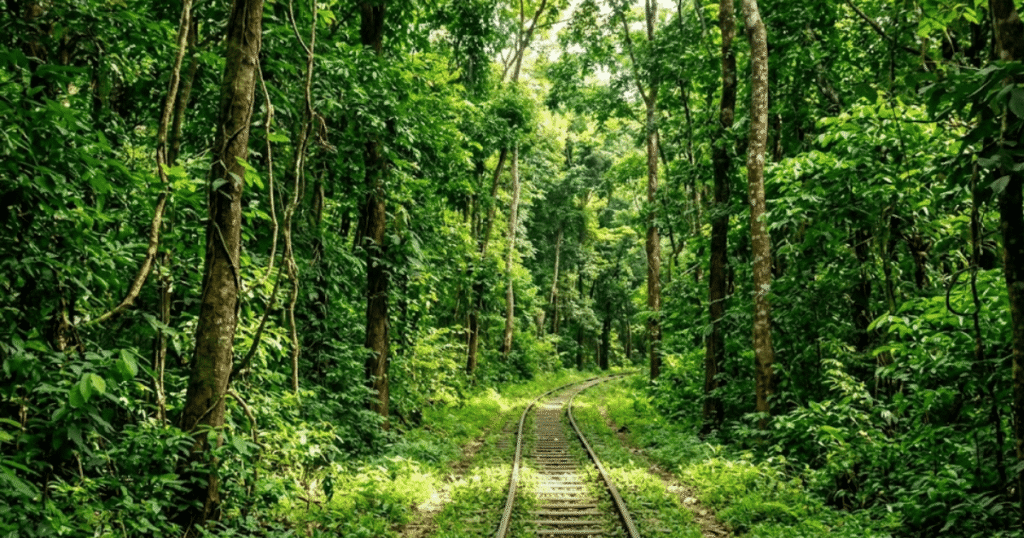
Lawachara National Park earns its place at the top of any list of Sreemangal tourist spots. The park covers about 1,250 hectares of semi-evergreen tropical forest, and the Bangladesh tourism database lists the endangered hoolock gibbon among its wildlife. It sits about 8 km from Sreemangal town, close enough for a morning visit but wild enough to feel like a different world.
Go early. We recommend the morning because the forest feels cooler, quieter, and far more rewarding before the day gathers pace. The railway track crossing the forest gives Lawachara one of its most recognisable scenes, but the real value sits deeper inside the trails. A local guide helps far more than first-time visitors expect.
Entry fees have been updated by the government. Current rates are BDT 100 for Bangladeshi adults and BDT 50 for children under 12. Foreign visitor fees are higher. Guide charges run around BDT 300 to BDT 350 for a one-hour trail. Confirm the latest rates at the park entrance before visiting, as fees can change. Fees can change, so check before you go. We usually suggest keeping 2 to 3 hours for the visit, not 30 rushed minutes.
Insider tip: do not enter, take a railway-track photo, and leave. That is the tourist version of reading only the book cover.
2. Madhabpur Lake
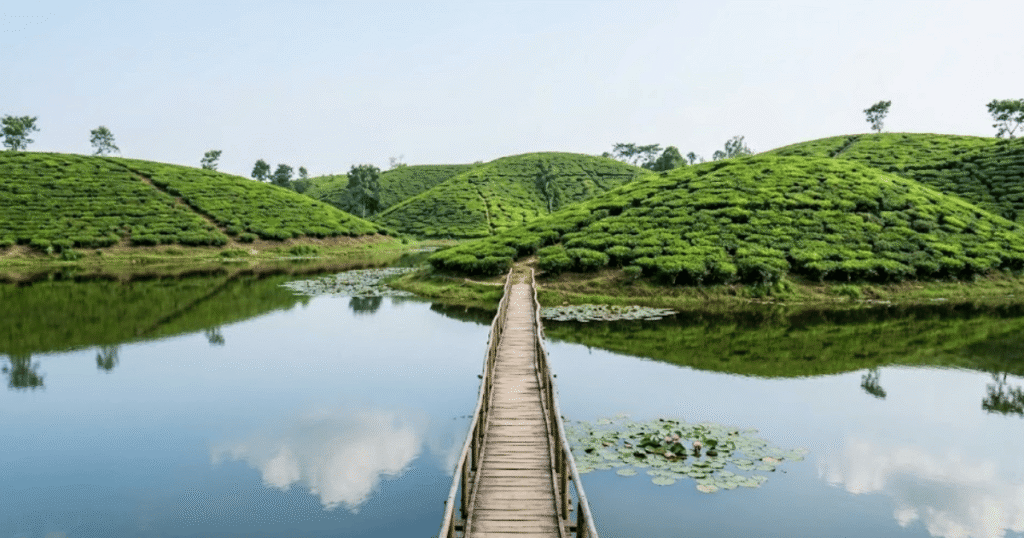
Madhabpur Lake gives Sreemangal a quieter rhythm. The official tourism page describes it as a natural reservoir inside Madhabpur Tea Estate, about 16 km from Sreemangal, with tea gardens around the water and water plants along the lake edge.
This is one of the strongest stops for travellers who want scenery without a hard trek. We recommend allowing 1 to 2 hours, especially if photography matters. Morning light usually works best for reflections, while late afternoon gives the lake a softer mood.
No official current entry fee appeared in the primary sources we reviewed, so we advise travellers to check locally before visiting. Madhabpur already sits inside our standard Sreemangal route, which makes it easy to pair with Lawachara, Nurjahan Tea Garden, or Lal Tila on the same day.
Insider tip: walk a little beyond the first busy viewpoint. The lake does not improve because you stand where everyone else stands.
3. Nurjahan Tea Garden
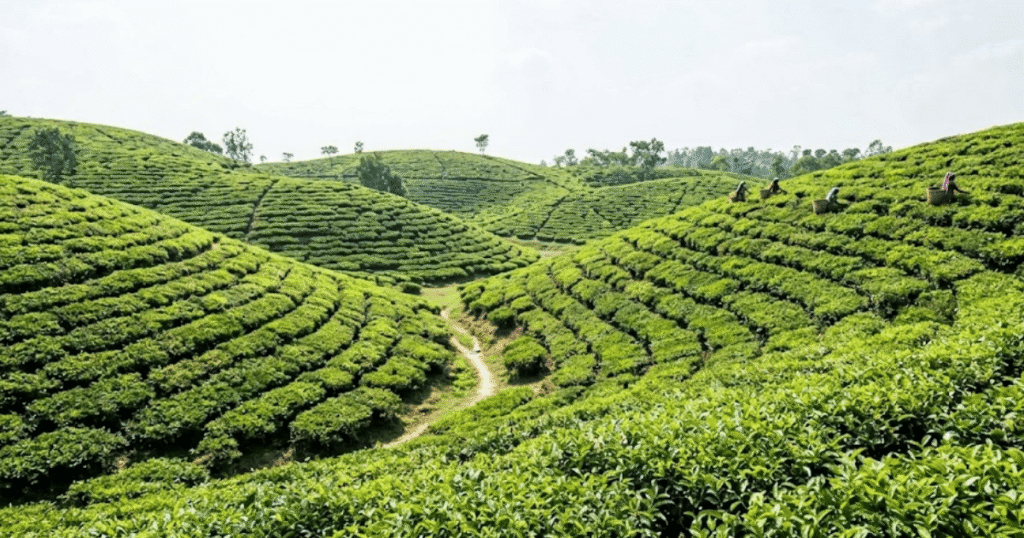
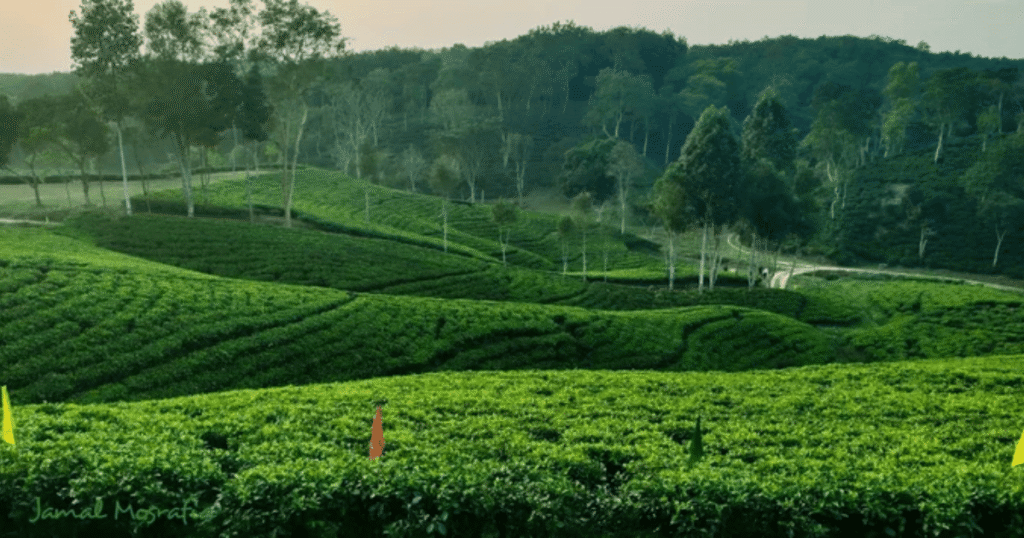
If someone asks what classic Sreemangal tea garden visits should look like, Nurjahan Tea Garden usually fits the picture. A 2025 travel feature described it as one of the region’s best-known tea gardens, covering about 210 hectares on small hills. Local travel guides place it around 8 km from Sreemangal town.
The draw here is simple, endless green rows that rise and fall with the land. No drama. No gimmick. Just the image many travellers carry in their heads before they arrive.
We suggest spending 45 minutes to 1.5 hours, with late afternoon working well for photographs. During the plucking season, workers in the fields add life to the view, but travellers should ask before taking close photos of anyone working. We could not verify a formal public ticket from an official source, so treat it as a working tea estate first and a photo stop second.
The garden already appears in our standard Sreemangal Chander Gari Package, which makes it an easy stop for travellers who want the tea-country feel without building a separate route.
4. Lal Tila or Red Hill
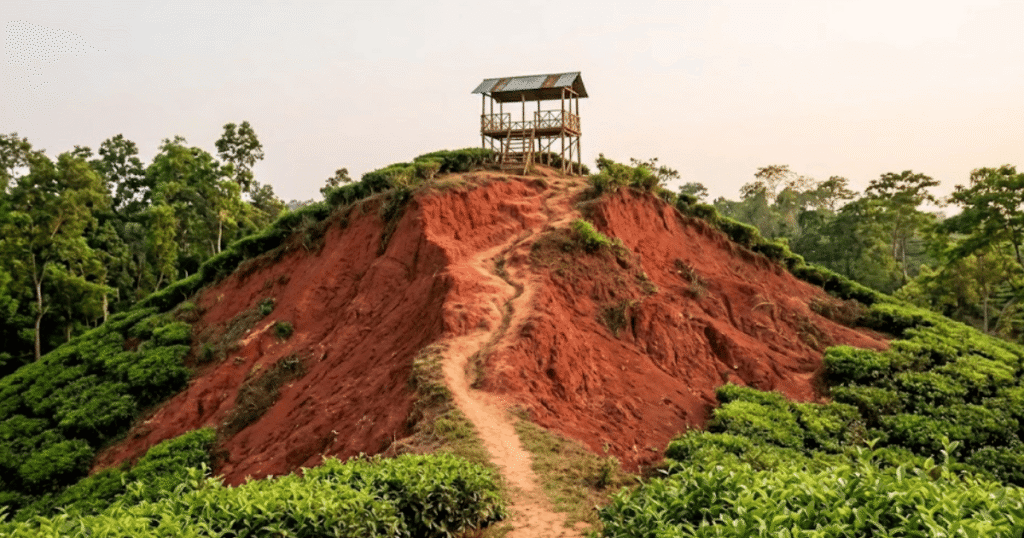
Lal Tila, also called Lal Pahar or Red Hill, gives the trip a change of colour. Current local travel listings describe reddish soil, surrounding tea gardens, and a hilltop viewpoint that takes travellers through a scenic green route from town. Some local sources place it about 5 to 6 km from central Sreemangal, while trip listings estimate roughly 30 to 45 minutes by CNG depending on the starting point.
This is not a stop where you need half a day. 30 to 60 minutes works for most visitors. Go near sunrise if you want soft light, or late afternoon if the day already includes tea gardens and lakes.
We could not confirm a current official entry fee from primary sources. Since Lal Tila appears in our standard local route, it fits neatly beside Nurjahan Tea Garden and Nilkantha Tea Cabin.
Insider tip: wear shoes with grip if rain has passed through recently. Red soil and smooth soles do not become friends.
5. Baikka Beel
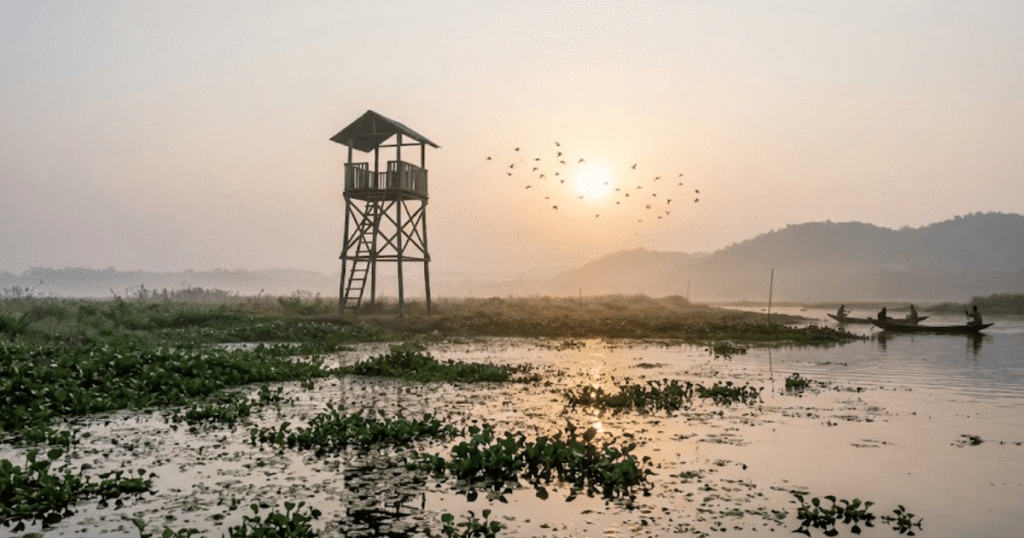
Baikka Beel belongs on the list because of its ecological value, not because it behaves like an ordinary tourist stop. The official Bangladesh tourism page describes it as a sanctuary for birds and fish inside Hail Haor, covering approximately 170 hectares, with a watchtower, 160 bird species, and migratory birds arriving in large numbers.
For anyone who loves birdwatching, this is one of the most important Sreemangal attractions. Winter has long been the best season for migratory birds, and the watchtower became the place most visitors hoped to stand.
But plans need current facts, not old habits. The Daily Star reported in February 2026 that authorities had officially closed Baikka Beel to public access a year earlier to support conservation, even though problems such as picnicking and littering continued. Before putting it into your route, check the latest local access rules.
If access is open, set aside 1 to 2 hours. If it remains closed, respect the restriction. A wetland is not less beautiful because you choose not to disturb it.
6. Nilkantha Tea Cabin

A trip through the best places in Sreemangal feels incomplete without tea, and Nilkantha Tea Cabin gives tea its own stage. Recent coverage credits Romesh Ram Gour with creating the famous seven-layer tea, a drink that draws visitors because each visible layer carries a different colour and taste.
This stop does not need much time on the map. It deserves time in the cup. We suggest allowing 30 to 45 minutes, especially on busier days when the tea takes time to prepare. The cabin fits naturally into the standard local circuit, and our Sreemangal package lists Nilkantha among the included stops.
Recent visitor sources still mention the layered tea as the main draw, though exact prices can change and we did not find a current official price list. Ask before ordering. Simple.
Insider tip: do not gulp it like roadside milk tea. The whole point is to taste the layers before they blur into one sweet ending.
7. Hum Hum Waterfall
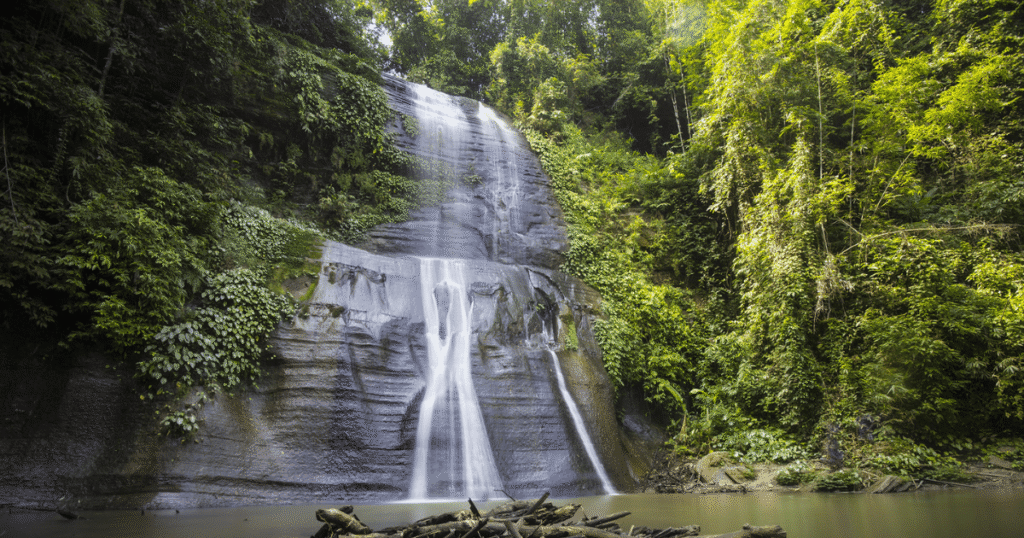
Hum Hum Waterfall sits on the adventure end of Sreemangal places to visit. The official Bangladesh tourism page places it inside Razkandi Reserve Forest and gives the waterfall a height of about 135 to 160 feet. It also says visitors should leave early, reach Kalabanpara by 7:30 to 8:00 AM, and expect about 5 hours of travel from Kalabanpara to the falls.
This is a full-day plan. Nothing else.
The waterfall belongs in a custom route rather than a regular sightseeing loop, and our package page places Hum Hum Waterfall under Package 3 (Custom) for that reason. Rainy months bring stronger flow, but the route also becomes tougher, so travellers should choose based on fitness and weather, not Instagram envy.
We recommend a guide, early departure, and realistic expectations. This is not the right stop for travellers who only want a gentle one-day city break.
Insider tip: if your group argues about whether to start at 6 AM, choose another spot. Hum Hum punishes late starts.
8. Rubber Garden
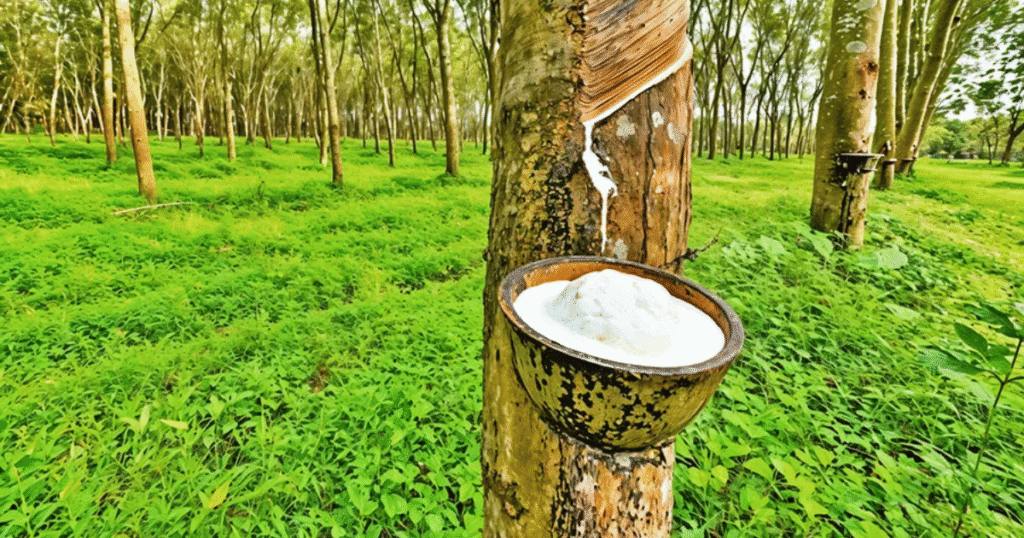
The Rubber Garden often surprises first-time visitors because many expect only tea. A 2025 travel feature on Sreemangal reported that rubber latex collection takes place mainly in winter, especially from November to March, and travellers can often see the cups fixed to tree trunks during that season.
Rows of rubber trees create a very different mood from the tea estates. Taller trunks. Deeper shade. Less noise. We suggest giving the stop 30 to 45 minutes, enough to walk, look, and understand what you are seeing.
Our local package already includes a Rubber Garden stop, which makes sense because it sits naturally inside a wider Sreemangal route rather than requiring a separate day.
We did not find a current official public fee in the sources reviewed. We recommend a morning visit when the garden feels cooler and the work around the trees is easier to notice.
Insider tip: many visitors drive past too quickly. Get out of the vehicle. The pattern of the trees only works once you stand inside it.
9. Bangladesh Tea Research Institute(BTRI)
Bangladesh Tea Research Institute, or BTRI, gives the tea capital its serious side. The institute’s own website states that it began on 28 February 1957, and Banglapedia places it about 3.2 km from Sreemangal town.
This stop suits travellers who want more than green scenery. BTRI works on the science behind Bangladesh’s tea sector, so it helps connect the landscape outside with the crop behind it. Keep 45 minutes to 1 hour for the visit if access is available during your travel date.
One small correction matters here. The nearby Tea Resort and Museum carries the museum experience, while BTRI itself centres on tea research. If you want history, pair the two rather than treating them as the same place. Sources on the Tea Museum identify it as Bangladesh’s first tea museum, established by the Tea Board in Sreemangal.
We have not found a current public fee listed on BTRI’s official pages. Since it lies close to town, it works well at the start or end of a day rather than in the middle of a longer nature route.
10. Sitesh Babur Zoo / Mini Zoo

Sitesh Babur Zoo, often called the Mini Zoo, offers a smaller family stop inside Sreemangal town. Local sources describe it as a privately run zoo on Ramakrishna Mission Road, while Bengali reference material places it roughly 1 km from town.
This stop works best for families travelling with children or for visitors who want a short break from gardens and viewpoints. We suggest 30 to 60 minutes. That is enough for most people.
We need to be honest here. Travellers with limited time may prefer Lawachara, tea gardens, or Madhabpur Lake over a small private zoo. Not every stop has to suit every person.
Current ticket information varies across travel sources, and we could not confirm a fresh official rate from a primary source during this review. Check locally before you visit rather than relying on an old blog post.
1-Day Sreemangal Itinerary for First-Time Visitors
A one-day trip to Sreemangal can work well, but only when the route stays realistic. The main Sreemangal tourist spots sit in different directions, so we prefer a route that starts with the forest, returns close to town, then moves towards the lake and tea-garden side before the light starts to fade.
Our Sreemangal Chander Gari Package already groups several major stops into one local sightseeing route, including Lawachara National Park, Madhabpur Lake, Nurjahan Tea Garden, Rubber Garden, Lal Tila, Nilkantha Tea Cabin, Manipuri Para, and Bodhdhobhumi 71. That makes it a practical base for first-time visitors who want to cover the key highlights without losing time arranging separate rides between each stop.
The short answer: start early, keep the route tight, and accept that Hum Hum Waterfall does not belong in a one-day city circuit. The official tourism listing says visitors should leave Sreemangal early and spend about 5 hours travelling from Kalabanpara to the waterfall, so forcing it into a compact day would wreck the rest of the plan.
Morning: Lawachara National Park and BTRI
Start with Lawachara National Park while the day still feels cool and quiet. The forest sits inside the 2,740-hectare West Bhanugach Reserved Forest, and the park itself covers about 1,250 hectares. We suggest giving it the first major slot of the day because forest walks feel far better before the afternoon heat arrives.
Keep the visit focused. Spend time on the trail, notice the railway line cutting through the forest, and use a local guide if you want more than a surface-level walk. Then return towards town for a brief stop at the Bangladesh Tea Research Institute, which the district administration lists near Sreemangal as a local attraction.
This order makes sense. Forest first. Tea history after. Your legs will thank you later.
Midday: Nilkantha Tea Cabin and Lunch
By late morning, move towards Nilkantha Tea Cabin for the drink most travellers already have on their list. The Moulvibazar district page describes Nilkantha as a Sreemangal tea shop known for the different taste and colour of each layer in its famous tea. It is a short stop, but a memorable one.
Take lunch after tea, not before. That way, you avoid rushing the cabin stop and still keep the afternoon open for the more scenic part of the route.
A small warning from experience: do not treat lunch as a long break if you only have one day. Sreemangal rewards slow travel, but one-day plans punish loose timing.
Afternoon: Madhabpur Lake, Tea Garden, and Lal Tila
Use the afternoon for the softer side of Sreemangal sightseeing. Madhabpur Lake sits about 16 km from Sreemangal inside Madhabpur Tea Estate, so it fits naturally after lunch when you are ready for open views rather than forest trails. The official tourism listing describes the lake as a natural reservoir surrounded by tea gardens and water plants.
From there, continue to Nurjahan Tea Garden for the classic tea-country scenery, then finish with Lal Tila if the light is still good. Our standard Sreemangal route already includes all three stops, which is exactly why this order works well in a compact day.
The last hour often becomes the best hour. Tea rows glow differently as the sun starts to drop.
What You Will Miss in a 1-Day Trip
A one-day plan gives you the main highlights, not the full story. You will likely skip Hum Hum Waterfall, because it needs a separate early start and a much longer travel window than a standard day route allows.
You may also miss slower cultural moments in Manipuri Para, or have to keep them brief. And Baikka Beel needs special care in planning right now because The Daily Star reported in February 2026 that the wetland had been officially closed to public access a year earlier. That means older itineraries may no longer reflect current conditions.
One day is enough to fall for Sreemangal. It is not enough to know it well.
2-Day Sreemangal Itinerary for a More Complete Trip
Two days give Sreemangal room to breathe. You can still cover the major Sreemangal tourist spots, but you no longer need to hurry through every tea stop as if someone is checking your attendance.
We usually treat the first day as the classic sightseeing route and the second day as a choice. Adventure travellers can spend it on Hum Hum Waterfall. Travellers who want a gentler pace can keep the second day for slower nature and culture, with longer tea-garden stops and flexible time in town. Our Sreemangal Chander Gari Package works well for the first-day route because it already includes the main local circuit used by many visitors.
This is where Sreemangal starts feeling less like a checklist and more like a trip.
Day 1: Classic Sreemangal Sightseeing Route
Use day one for Lawachara National Park, Madhabpur Lake, Nurjahan Tea Garden, Lal Tila, Nilkantha Tea Cabin, Manipuri Para, Rubber Garden, and Bodhdhobhumi 71. ExploreBD lists these places within the standard Sreemangal package route, which makes the sequence practical for visitors who want the well-known highlights in one organised day.
Start with Lawachara in the morning, then return towards town for tea, lunch, and the shorter cultural stops. Keep Madhabpur Lake and the tea gardens for later in the day when you want wider views and a slower pace. End with a quiet historical stop at Bodhdhobhumi 71, which the district administration identifies as one of Sreemangal’s tourist centres linked with the memory of the 1971 Liberation War.
This route feels full, but not frantic. That is the point.
Day 2: Hum Hum Waterfall Adventure or Relaxed Nature Route
For adventure travellers, day two belongs to Hum Hum Waterfall. The official tourism listing says the falls sit in Razkandi Reserve Forest, stand about 135 to 160 feet high, and require an early departure plus a long journey through forest terrain. That makes it a true full-day outing rather than an extra stop after breakfast.
For a slower second day, keep the plan flexible. Spend more time in tea gardens, return to a favourite viewpoint, walk through a rubber garden, or visit cultural stops that felt rushed on day one. Baikka Beel once fitted this slower nature route very well, but current planning should reflect the reported public-access closure noted by The Daily Star in February 2026. Check the latest local rules before building a day around it.
Two good choices. Very different trips.
Where to Stay Overnight in Sreemangal
Stay in town if you want the easiest start the next morning. The official Bangladesh tourism site says Sreemangal has a good number of luxury hotels, including a five-star resort, while the Baikka Beel listing notes that plenty of hotel guest houses are available in Sreemangal. Booking platforms also show a mix of guesthouses, resorts, and mid-range hotels in the area.
We recommend booking ahead for weekend travel, especially in busier seasons. That is practical advice, not drama. Popular destinations get awkward very quickly when everyone arrives on the same Friday night.
Entry Fees, Best Visiting Hours, and Best Seasons at a Glance
Good trip planning becomes much easier when the small details sit in one place. The table below brings together the main Sreemangal attractions, the most reliable current fee information we could verify, and the visiting windows that make the most sense for each stop.
A quick note before the table. Public fees and access rules can change, and not every local attraction publishes current official ticket information online. Where we could not verify a reliable current fee from an official or strong source, we have said so rather than guessing. That is more useful than filling a neat table with weak numbers.
Quick Reference Table for Sreemangal Attractions
| Spot Name | Entry Fee | Best Visiting Hours | Best Season |
| Lawachara National Park | Current official fee not confirmed in the sources reviewed | Morning | November to February for cooler walks |
| Madhabpur Lake | No official fee found | Morning or late afternoon | October to February for pleasant weather |
| Nurjahan Tea Garden | No official fee found | Late afternoon | March to May for active tea-garden scenes |
| Lal Tila / Red Hill | No official fee found | Sunrise or late afternoon | October to February |
| Baikka Beel | Check current access before planning | If access is allowed, early morning | Winter bird season, subject to current access rules |
| Nilkantha Tea Cabin | No entry fee, pay for tea | Late morning or afternoon | Year-round |
| Hum Hum Waterfall | No official fee found | Start before 6 AM for the full-day trip | Rainy season for stronger flow |
| Rubber Garden | No official fee found | Morning | Winter, when latex collection is more visible |
| Bangladesh Tea Research Institute | No official public fee found | Morning | Year-round |
| Sitesh Babur Zoo / Mini Zoo | Current official fee not confirmed in the sources reviewed | Morning | October to February |
The source-backed facts behind the table matter. Madhabpur Lake sits about 16 km from Sreemangal; Hum Hum Waterfall reaches about 135 to 160 feet and needs a long forest trip; Baikka Beel spans about 1,000 hectares and has been reported closed to public access; Nilkantha Tea Cabin is locally recognised for its layered tea; and Bodhdhobhumi 71 carries Liberation War memory.
One more practical thought. If a fee, timing, or access rule matters to your day, check it again shortly before travelling. Sreemangal is real life, not a frozen brochure.
Best Time to Visit Sreemangal
The best time to visit Sreemangal depends on what you want from the trip. If you care most about comfortable weather, choose the cooler months. If you want tea-garden photography, the active growing season gives the landscape more life. If waterfalls sit at the top of your list, rain changes everything.
Bangladesh Tourism Board describes winter as the most enjoyable season in the country, while the rainy season brings 70 to 85 percent of the annual rainfall. That seasonal swing matters in Sreemangal because the same place can feel quiet and crisp in one month, then soaked, green, and louder in another.
Winter: October to February
For most first-time travellers, October to February feels like the safest choice for Sreemangal sightseeing. Days stay more comfortable, forest walks feel easier, and the tea gardens still look beautiful without the heavy heat of late spring.
Winter also used to be the strongest season for birdwatching at Baikka Beel. The official tourism page notes that thousands of birds live there and thousands more migrate, while recent reporting says migratory birds arrive before winter and remain until late March. The catch is current access. A February 2026 report said Baikka Beel had been declared off-limits to the public a year earlier for conservation, so travellers should check the latest local rules before planning around it.
This is the easiest season for families, older travellers, and anyone who wants to cover several Sreemangal tourist spots in one day without fighting heat or slippery tracks. Pack a light layer for early mornings. You may not need it by noon, but you will be glad you brought it.
Summer: March to May
March to May suits travellers who want lively tea-garden scenes. Tea plucking in Sylhet usually starts in early March, and the wider tea production season runs from March onwards. That means the gardens often feel more active during this period, with workers, fresh growth, and richer photo opportunities across the slopes.
The trade-off comes after late morning. Heat builds fast. Plan Sreemangal tea garden visits early or late, then keep midday for lunch, tea, or indoor stops such as BTRI if access is available.
This season works especially well for photographers and repeat visitors who have already seen the classic winter version of Sreemangal. The gardens look different when work has resumed. More movement. More colour. More life in the frame.
Monsoon: June to September
Rain turns Sreemangal lush in a way no filter can fake. The official page for Hum Hum Waterfall says the rainy season is the best time to see the fall at its fullest, and Bangladesh Tourism Board notes that the rainy period brings the heaviest share of annual rainfall.
But the monsoon asks more from travellers. Roads can become muddy, forest tracks grow slippery, and long outings take more patience. If you want waterfalls and deep green views, this is the season. If you want the easiest possible trip, it is not.
The short answer: winter is best for comfort, summer is best for active tea-garden scenes, and monsoon is best for waterfall lovers. Pick the Sreemangal you actually want to see, not the one that simply looks neat on a calendar.
Practical Travel Tips Before Visiting Sreemangal
A good trip to Sreemangal starts before you reach the first tea garden. The small choices matter here. Shoes. Cash. Timing. Whether you book transport before a busy weekend or gamble on finding something after arrival.
Most first-time travellers focus on the big names, Lawachara, Madhabpur Lake, Nilkantha Tea Cabin, Hum Hum Waterfall. The smoother trips usually come from people who pay attention to the boring details. Boring saves time. Boring also keeps a rainy afternoon from becoming a mess.
What to Pack for Sreemangal
Bring comfortable walking shoes first. Lawachara, Lal Tila, tea gardens, and Hum Hum all become less enjoyable when your footwear slips or rubs. Pack rain protection if you visit during the wetter months, because the Bangladesh Tourism Board says the rainy season carries most of the annual rainfall.
Keep mosquito repellent, a refillable water bottle, and some small cash with you. Small shops, local guides, and tea stalls do not always suit card-only travellers. In winter, add a light jacket for early starts and late returns.
And do not overpack. Sreemangal is greener than many visitors expect, not more formal.
How to Avoid Common Tourist Mistakes
Start Lawachara National Park early. The park is one of the main Sreemangal attractions, and morning visits usually give a better forest experience before the day grows warmer and busier. The park itself covers about 1,250 hectares inside West Bhanugach Reserved Forest, so treating it like a five-minute stop wastes the best part of the visit.
Do not leave Hum Hum Waterfall for a spare afternoon. The official tourism page says travellers need an early start and about 5 hours of travel from Kalabanpara to the waterfall, which makes it a full-day outing.
Weekend crowding catches people out too. If you travel in peak season with family or friends, arranging transport in advance helps. Our Sreemangal Chander Gari Package states that on-the-spot prices can rise and vehicles may become harder to find during busy periods, which is exactly the sort of headache no one wants after a long train or bus ride.
One more thing. Ask before photographing workers, weavers, or villagers. A good travel photo is not more important than someone else’s comfort.
Tips for Families, Couples, and Group Travellers
Families usually enjoy Madhabpur Lake, Nilkantha Tea Cabin, Rubber Garden, and the easier parts of Lawachara. These spots give variety without turning the day into a test of stamina.
Couples often prefer a slower route. Tea gardens in soft light, Lal Tila near sunrise or late afternoon, then time for tea. No need to chase every pin on the map.
Groups need the clearest plan of all. Keep the route realistic, agree on meal times, and choose a vehicle that keeps everyone together. Our standard Sreemangal package covers eight key stops for 8 to 10 people, which suits groups that want one shared route instead of several separate rides.
Sreemangal rewards people who leave a little space in the day. Leave some.
Final Thoughts: Is Sreemangal Worth Visiting?
Yes, Sreemangal is worth visiting if you want more than one kind of travel in the same trip. Few places in Bangladesh combine tea gardens, rainforest, local culture, lakes, memorial spaces, and waterfall access so naturally within a short distance of town.
The destination works for different moods too. Some travellers come for the calm of Madhabpur Lake. Others want the forest trails of Lawachara National Park. Some remember the layered tea at Nilkantha, while others talk about the red soil of Lal Tila long after they return home.
And then there is the pace of the place. Sreemangal does not need huge monuments to impress people. A railway line through the forest, workers moving across green tea rows, the smell after rain, a quiet stop at Bodhdhobhumi 71. Those are the moments that stay with you.
At ExploreBD, we help travellers cover the main Sreemangal tourist spots with local route support, clear pricing, and group-friendly transport through our Sreemangal Chander Gari Package, so you can spend less time arranging the trip and more time enjoying it.
FAQs About Sreemangal Tourist Spots
Question: What are the top tourist spots in Sreemangal?
Answer: The top Sreemangal tourist spots include Lawachara National Park, Madhabpur Lake, Nurjahan Tea Garden, Lal Tila, Baikka Beel, Nilkantha Tea Cabin, Hum Hum Waterfall, Manipuri Para, Rubber Garden, Bangladesh Tea Research Institute, Sitesh Babur Zoo, and Bodhdhobhumi 71. These places cover rainforest, tea gardens, wetlands, culture, history, and adventure, which is why Sreemangal suits more than one type of traveller.
Question: How many days are enough for a Sreemangal trip?
Answer: Two days suit most travellers best. One day can cover the main highlights, but Hum Hum Waterfall needs a separate early-start plan because the official tourism page says the route from Kalabanpara to the falls takes about 5 hours. Three days make sense for visitors who want slower tea-garden time, cultural stops, and less rushing.
Question: What is the best time to visit Sreemangal?
Answer: For comfortable sightseeing, October to February works best for many travellers. March to May suits tea-garden photography because plucking usually begins in early March, while the rainy months suit waterfall lovers because the official page for Hum Hum calls the rainy season the best time to see the fall.
Question: Can I visit Sreemangal tourist spots in one day?
Answer: Yes, but keep the route focused. A one-day plan can cover places such as Lawachara, Madhabpur Lake, Nurjahan Tea Garden, Nilkantha Tea Cabin, Lal Tila, Manipuri Para, and Bodhdhobhumi 71 if you start early. Skip Hum Hum Waterfall on that schedule because it needs a full day of its own.
Question: Should I rent a Chander Gari for Sreemangal sightseeing?
Answer: For families and groups, yes, it often makes the day easier. Our Sreemangal Chander Gari Package covers the main local route for 8 to 10 people, including Lawachara, Madhabpur Lake, Nurjahan Tea Garden, Rubber Garden, Lal Tila, Nilkantha, Manipuri Para, and Bodhdhobhumi 71. It suits travellers who want one planned route instead of arranging several rides between scattered stops.